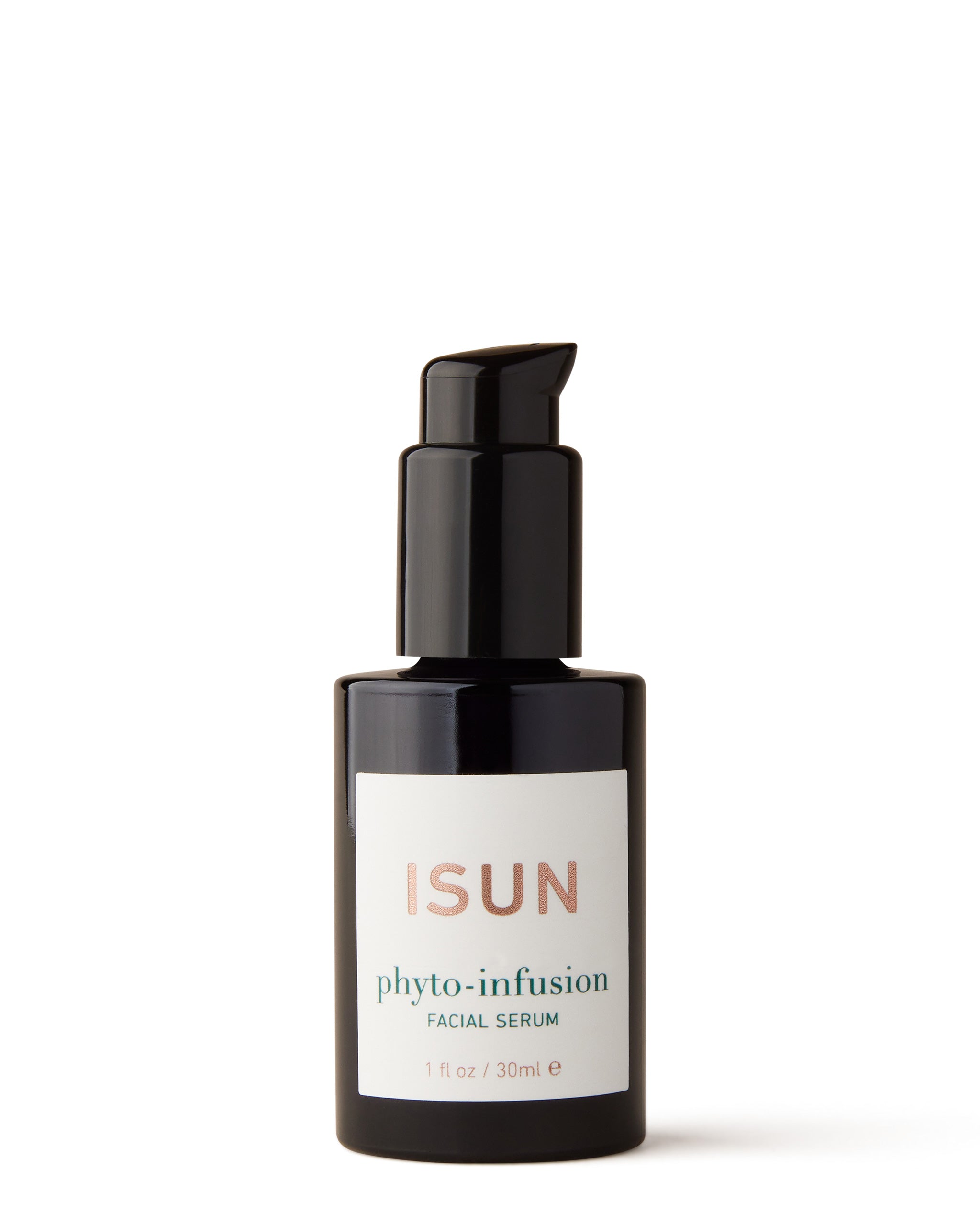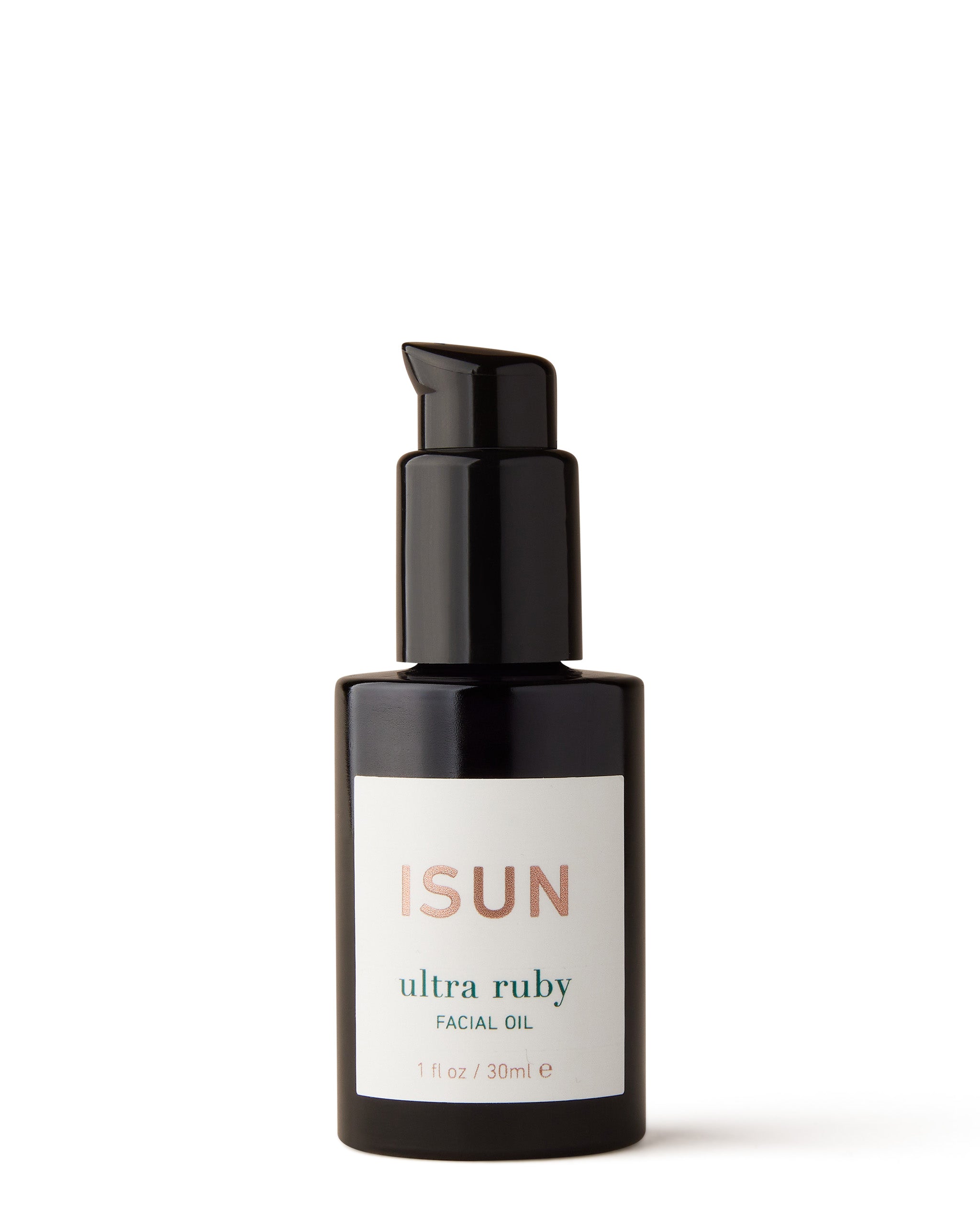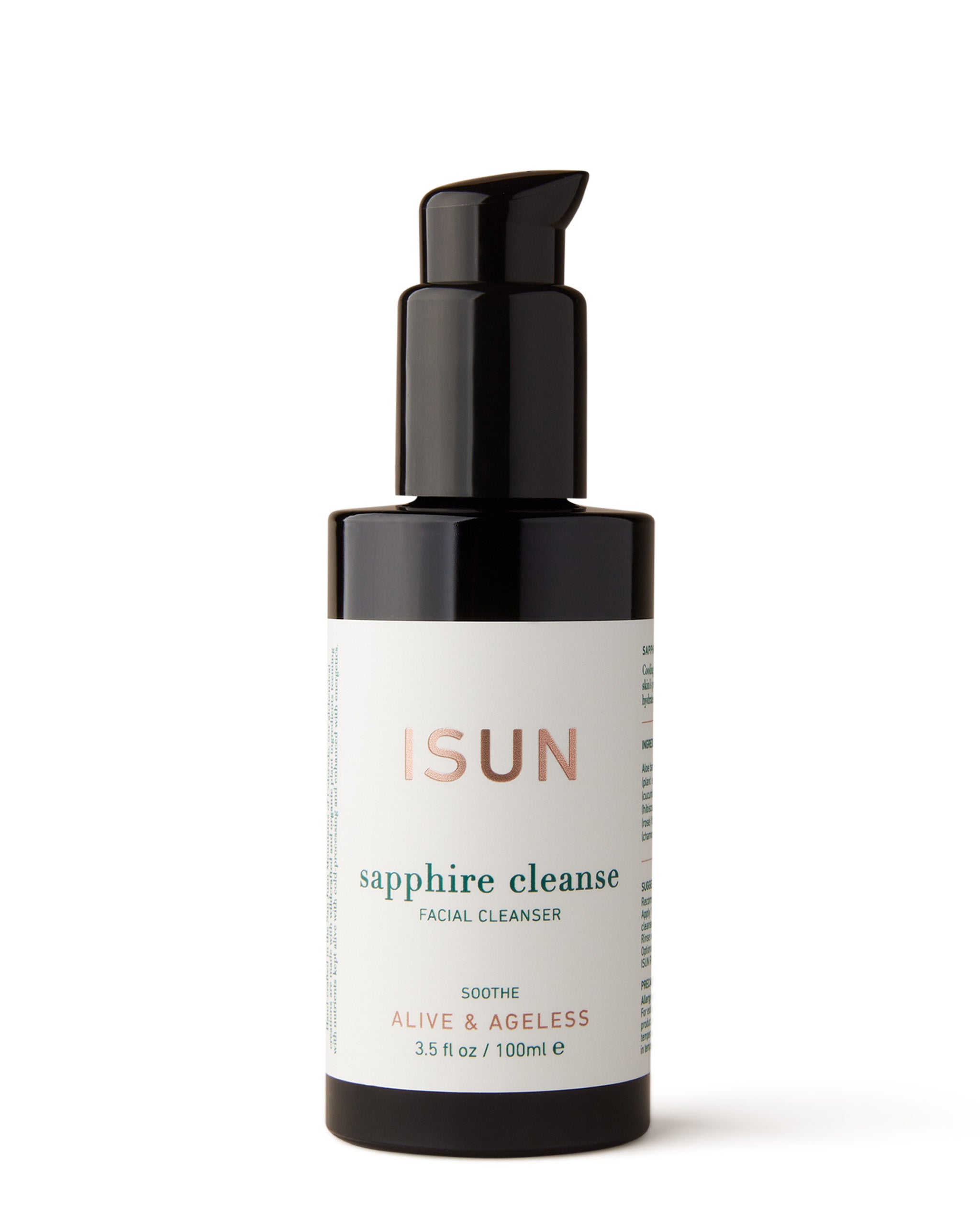


At ISUN, we believe skincare should support this living ecosystem, not disrupt it.
Your Skin Is More Than Skin
Your skin is not simply a surface.
It is a living environment inhabited by thousands of species of bacteria, fungi, viruses and other microorganisms that have evolved alongside us for millions of years.
Scientists now understand that these microorganisms are essential partners in maintaining healthy skin. They help regulate immune responses, preserve barrier integrity and create an environment that discourages the growth of harmful pathogens.
One of the most important members of this community is Staphylococcus epidermidis, a naturally occurring skin bacterium that plays a key role in maintaining balance. Research shows that it helps support skin barrier function, promotes immune regulation and can help protect against potentially harmful microorganisms.
Rather than being something to remove, these beneficial microbes are part of what makes healthy skin possible.
When Balance Is Lost
Like any ecosystem, the skin microbiome thrives on balance.
When that balance is disrupted, a condition known as dysbiosis, the skin often becomes more vulnerable to irritation, inflammation and visible skin concerns. Research has linked microbiome imbalance with conditions such as acne, eczema, atopic dermatitis, psoriasis and other inflammatory skin disorders.
The microbiome and the skin barrier are deeply interconnected. When the barrier becomes compromised, microbial balance can shift. When microbial balance shifts, barrier function can suffer. Over time, this can create a cycle that leaves skin more reactive, dehydrated, and less resilient.
 The complex ecosystem of the skins microbiome and microorganisms
What Distrupts the skin's Microbiome?
Modern life places many demands on our skin.
Environmental pollution, UV exposure, chronic stress and harsh skincare products can all affect microbial diversity and skin barrier function. Research suggests that overly aggressive cleansing, repeated barrier disruption and products that strip the skin's natural oils may negatively impact the skin's microbial ecosystem.
This doesn't mean your routine needs to be complicated.
In many cases, healthy skin is supported by doing less and choosing products that work in harmony with the skin's natural biology.
What the Skin Microbiome Really Needs
Supporting the microbiome isn't about sterilizing the skin. It's about creating the conditions that allow your skin's natural ecosystem to thrive.
Research increasingly points to the importance of:
- Supporting the skin barrier with nourishing lipids and fatty acids
- Maintaining proper hydration and healthy skin pH
- Avoiding unnecessary disruption of beneficial microbial communities
- Using microbiome-friendly ingredients that support skin resilience
- Exploring postbiotic ingredients that help support healthy skin function and communication pathways
Healthy skin is not created by force - It is cultivated through balance.

The ISUN Philosophy
Every ISUN formula begins with a simple question:
How can we support the skin's natural intelligence?
Our approach focuses on preserving the skin barrier, delivering nutrient-rich botanicals and beneficial lipids, and formulating in a way that respects the living ecosystem already present on the skin.
Rather than attempting to override the skin's natural processes, we seek to create conditions where healthy skin can flourish on its own.
This philosophy guides every ingredient selection and every formulation decision we make.
What This Means for Your Routine
You do not need a complicated routine to support your microbiome.
You simply need products that respect the skin as the intelligent, living ecosystem it truly is.
When your microbiome is supported, skin often becomes:
- More resilient
- More balanced
- Less reactive
- Better hydrated
- Naturally radiant
Explore the Skin Microbiome Support Collection
References:
- Li et al. Skin Microbiome in Health and Disease: Mechanisms and Emerging Therapeutic Strategies (2025).
- Qi et al. Beneficial Perspective on Staphylococcus epidermidis (2025).
- Hong et al. Microbiome-Based Interventions for Skin Aging and Barrier Function (2025).
-
Woo et al. Interaction Between the Microbiota and the Skin Barrier in Aging (2024).